Paul Daniel Gold 305.305.1232 mycgistudio@aol.com
Paul Daniel Gold
Interpretation of Art
Memories for the Soul
Every photograph tells a story.
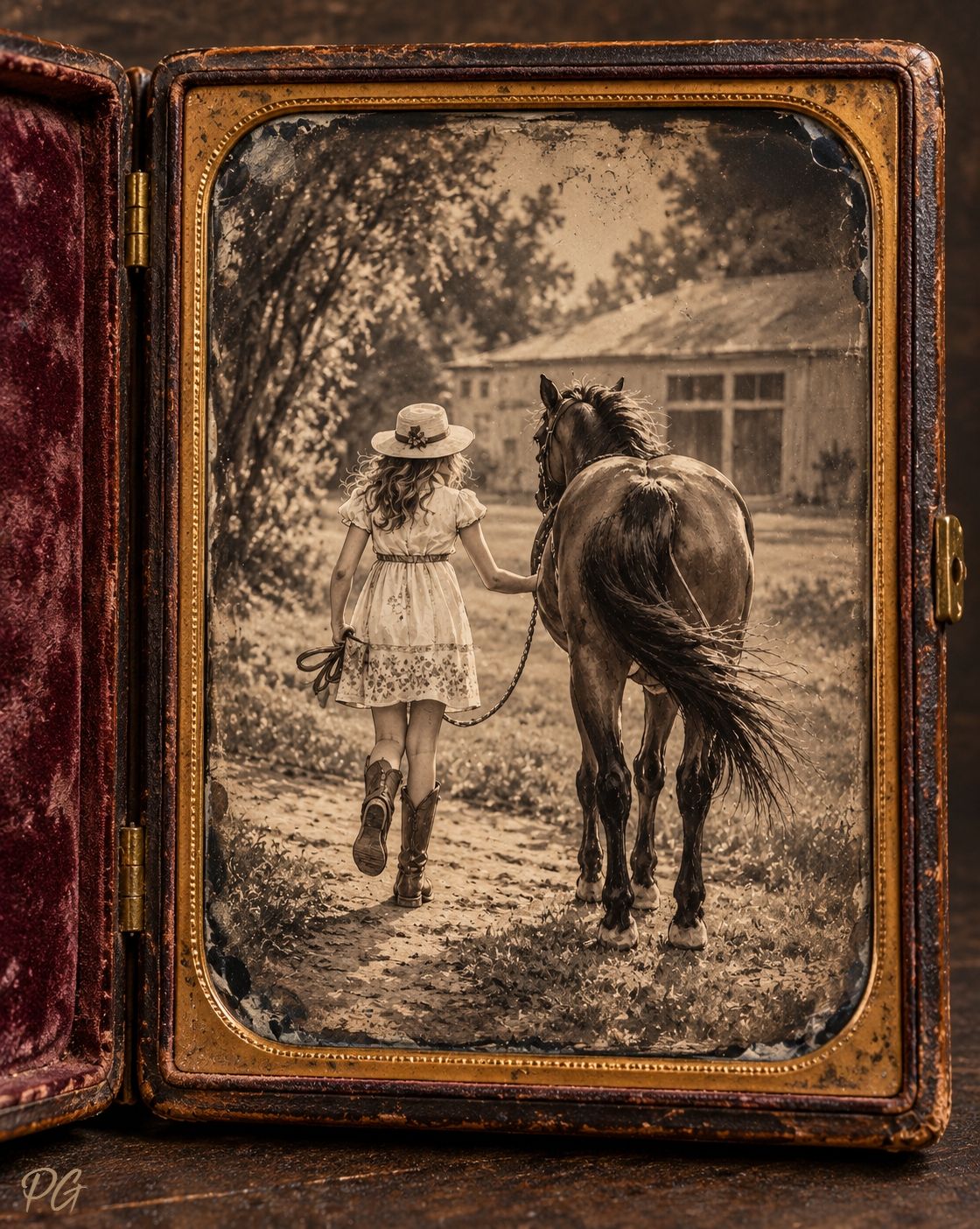
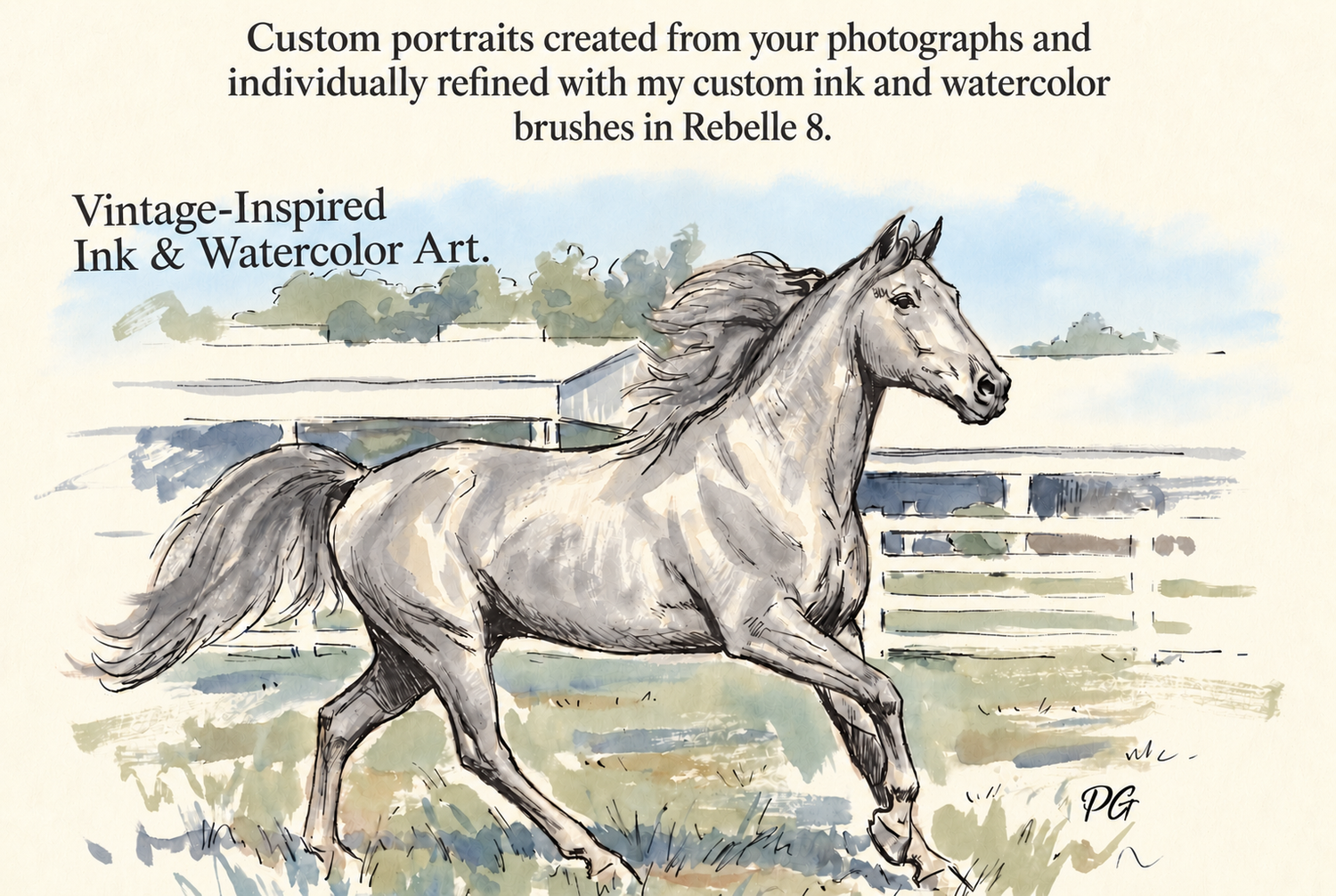
Some remind us of a faithful horse who carried us through life's greatest adventures. Others preserve the quiet companionship of a beloved dog, the elegance of a treasured cat, or a fleeting moment with someone we love.
I don't simply transform photographs.
I interpret them.
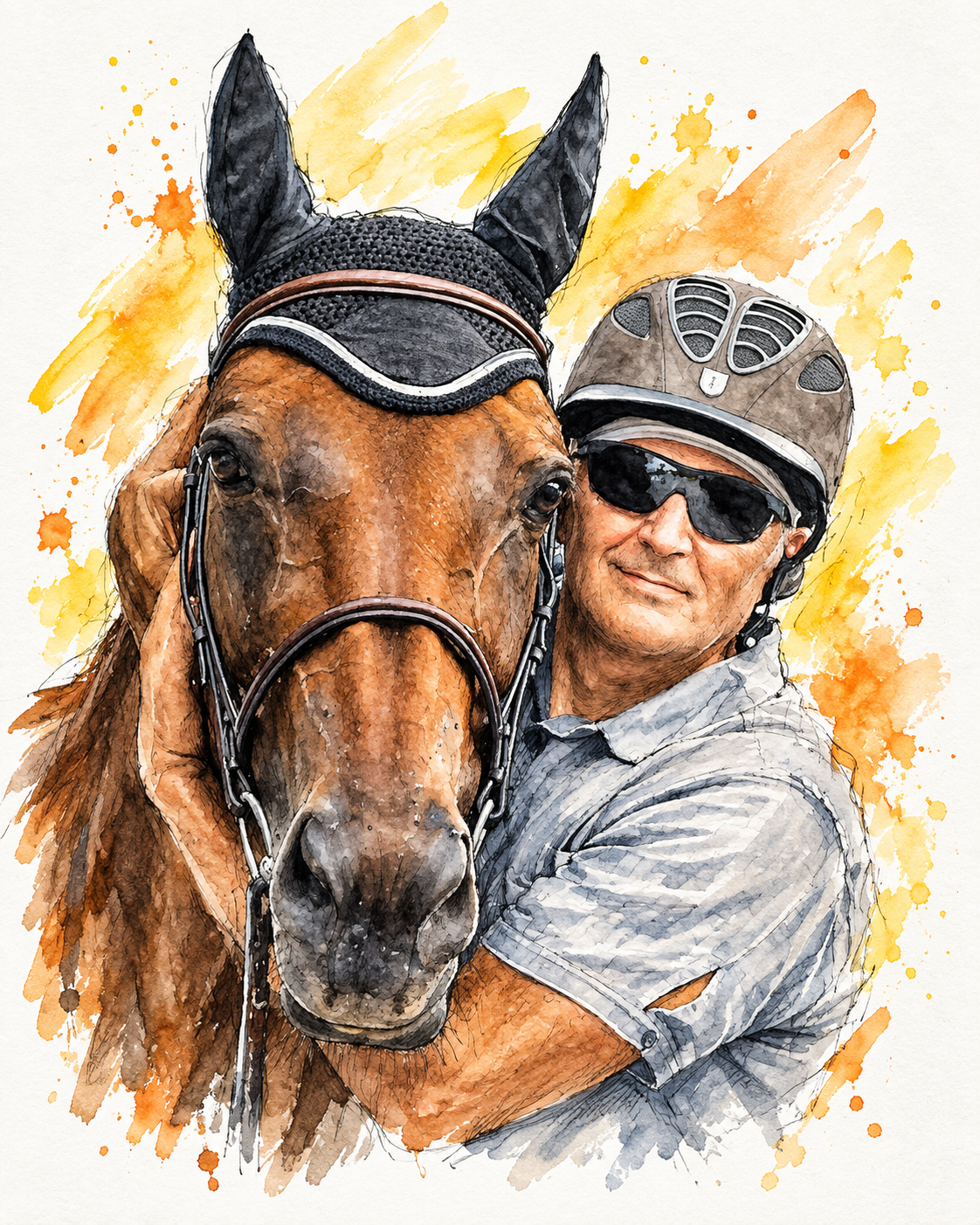
Each portrait is individually designed to capture the emotion, personality, and spirit behind the image—creating artwork that becomes more meaningful with every passing year.
Whether commissioned from an on-location portrait session in South Florida or created from your favorite photograph, every piece is crafted as a lasting work of art that celebrates the memories that matter most.
Because some moments deserve more than a place on a phone.
They deserve a place in your heart...and in your home.
Paul Daniel Gold
Interpretation of Art
Memories for the Soul
Computer Generated Imagery
Back in the mid-1980s, getting an image into a computer was not instant, automatic, or even remotely simple. It was a deliberate, mechanical, and often time-consuming workflow that required both patience and technical understanding.
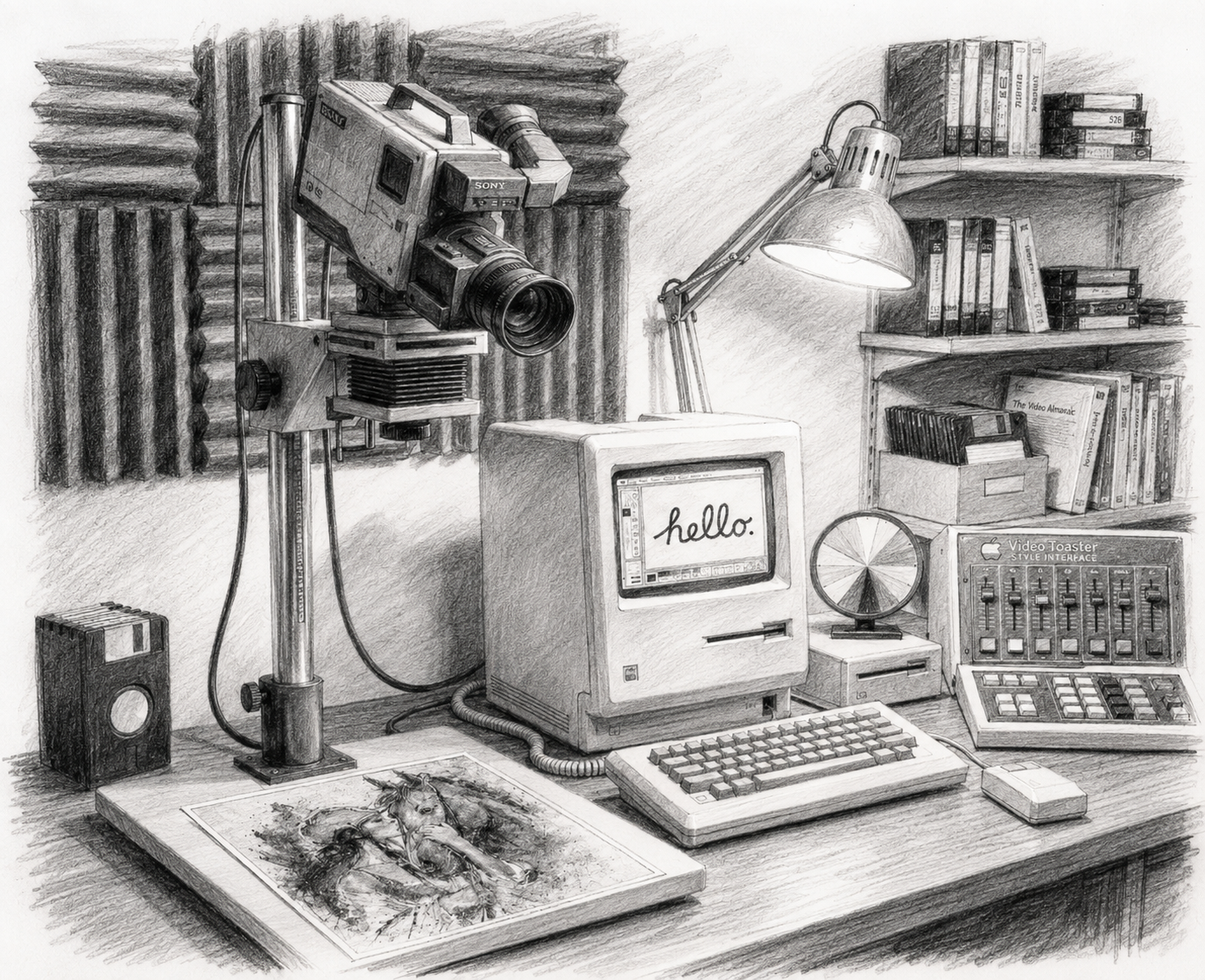
The process began with a physical image—a photograph, illustration, or printed artwork. There were no phone cameras, no drag-and-drop uploads. The image had to be placed under a dedicated video camera or scanner system, often mounted on a stand like the one shown. This camera wasn’t for photography in the artistic sense—it was a capture device, translating analog light into electronic signal.
That signal was then fed into a computer system—early machines like the original Macintosh or similar workstations—which were extremely limited by today’s standards. We’re talking about tiny amounts of memory, slow processors, and very low resolution displays. Capturing even a single still image could take time, calibration, and multiple attempts.
Color? That was another challenge entirely. Systems often worked in restricted color palettes, and what you saw on screen was rarely what you got in output. Devices like the “video toaster”-style interfaces or color wheels were used to manually adjust and interpret color, not automatically correct it.
Once the image was captured, the real work began.
There were no AI tools, no filters, no “enhance” buttons. Every adjustment—contrast, brightness, edges, shading—had to be done manually, often pixel by pixel. Software was primitive, and creative control came from understanding both the limitations of the machine and how to push beyond them.
Storage was another constraint. Images were saved to floppy disks, sometimes requiring multiple disks for a single file. Every step had to be intentional because mistakes weren’t easily undone.
Computer-generated imagery wasn’t born from convenience. It was built from process, discipline, and deep technical involvement.
My journey didn’t start with modern tools—it started at a time when you had to engineer the image into existence, not just generate it.
That experience matters.
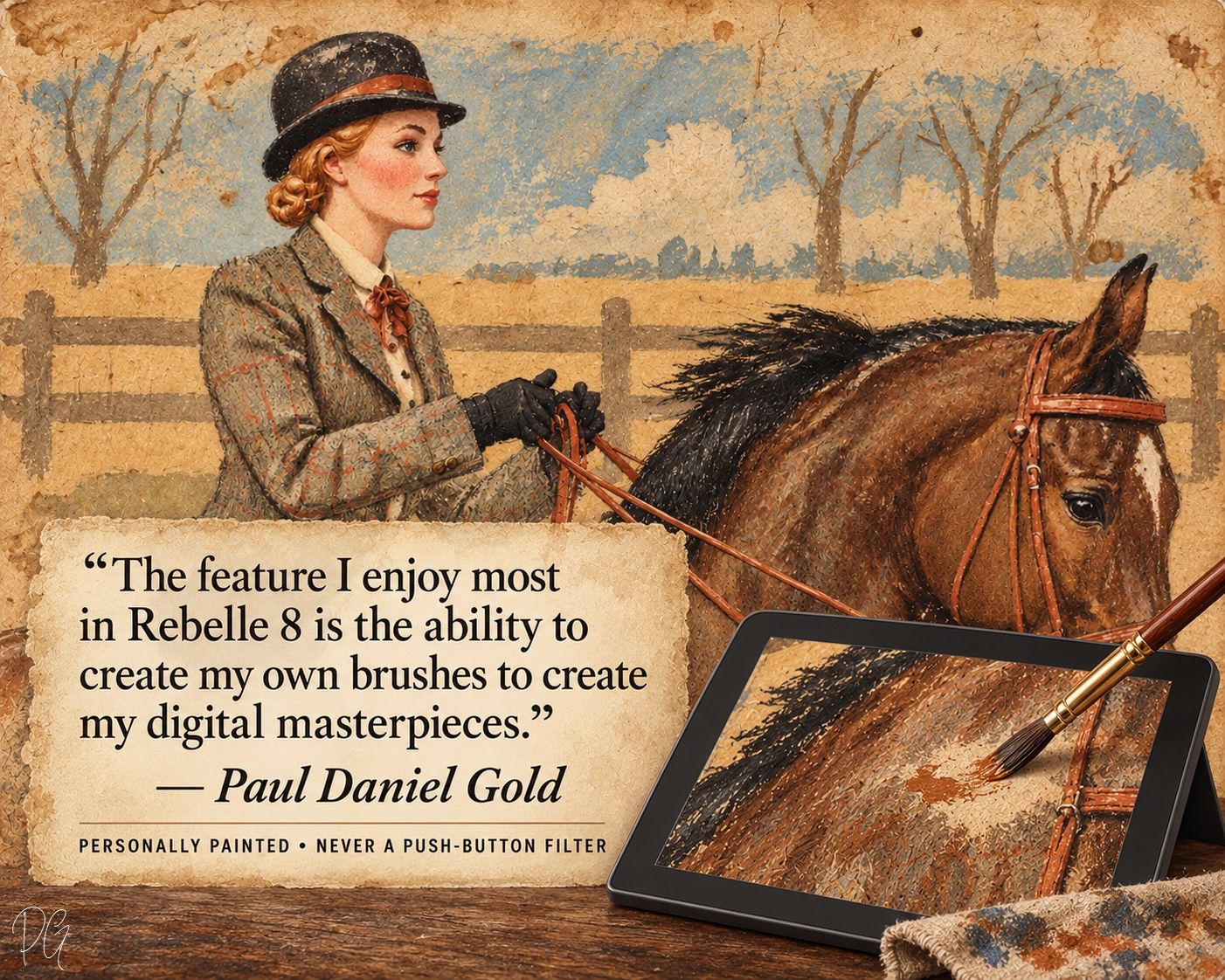
Because today, while technology has accelerated the process, your work is still guided by something most people don’t have: a foundational understanding of how images are constructed, not just produced.
That’s the difference between someone using tools…
and someone directing them.